

Bir oyunu oynamak her zaman keyiflidir. Peki ya oynadığınız platform sadece kazanmanızı beklemiyor, aynı zamanda her adımınızı, her girişinizi, her turunuzu bir ödüle dönüştürüyorsa? İşte tam olarak bu, oyunlaştırmanın (gamification) online casino dünyasına kazandırdığı sihirli dokunuş. Geleneksel sadakat programlarının çok ötesine geçen bu yenilikçi yaklaşım, oyuncuları günlük olarak motive ediyor, bağlılıklarını ödüllendiriyor ve her oturumu bir maceraya dönüştürüyor. Meritbet giriş ile keşfedebileceğiniz bu yeni nesil platformlar, sıradan oyun deneyimini heyecan verici bir yolculuğa çeviriyor. Peki, online casinolar oyunlaştırmayı nasıl kullanıyor ve sadık oyuncular her gün ne tür ödüllerle karşılaşıyor? Gelin bu renkli dünyanın kapılarını birlikte aralayalım.
Oyunlaştırma Nedir Ve Neden Bu Kadar Etkili?
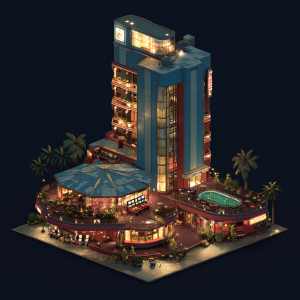 Oyunlaştırma, temelde oyun dünyasına ait unsurların (puanlar, seviyeler, rozetler, liderlik tabloları, görevler ve ödüller) oyun dışı platformlara entegre edilmesidir. Online casinolar bu yöntemi kullanarak, her zamanki “yatır, oyna, kazan” döngüsünü çok daha katmanlı ve tatmin edici bir hale getiriyor. Bu yaklaşımın bu kadar etkili olmasının nedeni, insan psikolojisiyle doğrudan konuşmasıdır. Küçük hedeflere ulaşmak, seviye atlamak, rozet toplamak ve liderlik tablosunda yükselmek beynimizde dopamin salgılanmasını tetikler. Bu da oyuncunun platformda daha fazla vakit geçirmesine ve daha sadık kalmasına yol açar. Ancak en güzeli, tüm bunlar olurken oyuncunun kendini “çalışıyor” gibi değil, “eğleniyor” gibi hissetmesidir.
Günlük Görevler Ve Giriş Ödülleri: Her Yeni Gün Bir Hediyedir
Oyunlaştırmanın en sevilen uygulamalarından biri, günlük görevler ve giriş ödülleridir. Artık online casinolar, oyuncularına her gün platforma giriş yaptıkları anda küçük bir “merhaba” hediyesi sunuyor. Bu hediyeler genellikle bedava spinler, küçük nakit bonuslar veya sadakat puanları şeklinde olabiliyor. İşin güzeli, bu ödüller sadece giriş yapmakla kalmıyor; belirli görevleri tamamladıkça katlanarak artıyor.
Örneğin, bir casino size şu şekilde bir günlük görev listesi sunabilir:
-
Giriş yap: 5 bedava spin kazan.
-
10 el blackjack oyna: 10 sadakat puanı kazan.
-
Toplam 50 TL yatır: 25 TL bonus kazan.
-
Bir slot turnuvasına katıl: Özel rozet kazan.
Bu görevlerin her biri tamamlandığında oyuncu hem anlık ödüller alır hem de haftalık veya aylık bir “görev zinciri” için puan biriktirir. Art arda 7 gün görevleri tamamlayan bir oyuncu, büyük bir ödülün sahibi olabilir. Bu sistem, oyuncuları her gün platforma bağlayan eğlenceli bir alışkanlık yaratır.
Seviye Atlama Ve Sadakat Rozetleri: Her Oyuncu Bir Kahraman
Geleneksel sadakat programları genellikle sıkıcıdır. Ne kadar çok harcarsanız, o kadar çok puan kazanırsınız ve bu puanları daha sonra bonusa çevirirsiniz. Basit, işlevsel ama heyecansız. Oyunlaştırma ise bu sistemi bir rol yapma oyununa (RPG) dönüştürüyor. Oyuncular artık sadece “puan biriktiren” kişiler değil; “seviye atlayan kahramanlar”.
Bir online casino şöyle bir seviye sistemi sunabilir:
-
Seviye 1 – Yeni Oyuncu (0-500 puan): Hoş geldin bonusu, temel rozetler.
-
Seviye 2 – Gümüş Kaşif (501-2000 puan): Hızlı para çekme, kişisel hesap yöneticisi.
-
Seviye 3 – Altın Savaşçı (2001-10.000 puan): Daha yüksek çekim limitleri, prestij rozetleri.
-
Seviye 4 – Elmas Efsane (10.000+ puan): Özel hediyeler, lüks etkinlik davetiyeleri, VIP desteği.
Her seviye atladığınızda, ekranınızda havai fişekler patlayabilir, özel bir animasyon sizi karşılayabilir ve yeni bir rozet koleksiyonunuza eklenir. Bu rozetler sadece sanal birer görsel değildir; aynı zamanda platform içinde statü sembolüdür. Liderlik tablolarında adınızın yanında parlayan bu rozetler, hem size özgüven verir hem de diğer oyuncuların saygısını kazanmanızı sağlar.
Turnuvalar Ve Liderlik Tabloları: Dostça Rekabetin Heyecanı
Oyunlaştırmanın bir diğer dinamik unsuru da turnuvalar ve liderlik tablolarıdır. Belirli bir süre (günlük, haftalık veya aylık) boyunca, oyuncular belirli oyunlarda en yüksek puanı toplamak, en çok bedava spin kazanmak veya en uzun süre oynamak gibi kriterlerde yarışır. Liderlik tablosunda üst sıralara çıkanlar, nakit ödüller, bedava spinler, elektronik eşyalar ve hatta tatil paketleri gibi ciddi ödüller kazanır.
Bu turnuvaların güzelliği, herkesin kazanma şansının olmasıdır. Yüksek bütçeli oyuncular genellikle daha büyük puanlar toplasa da, birçok platform düşük bütçeli oyuncular için ayrı kategoriler açar. Örneğin, “En Çok Oynayan Yeni Oyuncu”, “En Uzun Oturum Süresi” gibi yan kategorilerde herkes kendine bir şans bulabilir. Liderlik tablosunda adınızı yukarılarda görmek, sadece ödül açısından değil, “ben başardım” duygusu açısından da inanılmaz tatmin edicidir.
Beklenmedik Sürprizler Ve Başarım Rozetleri: Oyun İçinde Oyun
En keyifli oyunlaştırma unsurlarından biri de beklenmedik sürprizler ve gizli başarımlardır. Oyuncu hiç beklemediği bir anda bir rozet kazanabilir veya rastgele bir bonusla karşılaşabilir. İşte bazı örnekler:
-
“Erken Kuş” rozeti: Sabah 8’den önce oyuna giriş yapanlara verilir.
-
“Gece Baykuşu” rozeti: Gece 2’den sonra oyunda olanlara verilir.
-
“Maratoncu” rozeti: Aralıksız 3 saat oynayanlara verilir.
-
“Şanslı 7” rozeti: Art arda 7 el kazananlara verilir.
-
“Meraklı” rozeti: Platformdaki her oyunu en az bir kez oynayanlara verilir.
Bu rozetlerin her biri genellikle küçük bir nakit ödül veya bedava spin ile birlikte gelir. Oyuncu bu rozetleri toplamak için adeta bir koleksiyoncu gibi hareket eder ve platformdaki her özelliği keşfetmeye teşvik edilir. Bu da oyuncunun sadece en popüler oyunlara takılıp kalmak yerine, platformun tüm zenginliğini deneyimlemesini sağlar.
Gerçek Dünya Ödülleri: Dijitalden Fiziksele
Oyunlaştırmanın en heyecan verici boyutu, kazanılan puanların ve rozetlerin bazen gerçek dünya ödülleriyle takas edilebilmesidir. Bu, oyuncunun dijital dünyada yaptığı yatırımın fiziksel bir karşılığı olduğunu görmesi açısından muazzam bir motivasyon kaynağıdır.
Toplanan sadakat puanları şu tür ödüllerle takas edilebilir:
-
Elektronik eşyalar: Kulaklık, akıllı saat, tablet, oyun konsolu.
-
Hediye kartları: Amazon, Trendyol, Hepsiburada, Steam, Netflix.
-
Lüks deneyimler: Spor müsabakalarına bilet, konser bileti, beş yıldızlı otelde konaklama.
-
Kişisel hediyeler: Doğum günü sürpriz bonusları, yıldönümü hediyeleri.
Bazı platformlar, yüksek seviyedeki oyuncularına gerçekten unutulmaz deneyimler sunar. Örneğin, Formula 1 yarışına bilet, bir futbol maçında VIP locası, hatta yurtdışı tatil paketi gibi ödüller, sadık oyuncuları ekstra motive eder. Bu tür ödüller, oyuncunun platforma olan bağlılığını duygusal bir boyuta taşır.
Oyunlaştırmanın Yarattığı Pozitif Döngü
Tüm bu unsurlar bir araya geldiğinde, online casinolar oyunlaştırma sayesinde muhteşem bir pozitif döngü yaratır:
- Oyuncu platforma giriş yapar, günlük görevleri görür.
- Görevleri tamamlar, anında ödüller alır ve seviye atlar.
- Seviye atladıkça yeni rozetler kazanır, liderlik tablosunda yükselir.
- Ödüller ve rozetler oyuncuyu daha fazla oynamaya motive eder.
- Daha fazla oynadıkça platform daha fazla veri toplar ve ödülleri kişiselleştirir.
- Kişiselleştirilmiş ödüller oyuncunun kendini özel hissetmesini sağlar.
- Özel hisseden oyuncu platforma daha sadık olur ve başkalarına önerir.
Bu döngü, hem oyuncunun mutluluğunu hem de platformun sadık müşteri tabanını artırır. Sonuçta herkes kazanır: Oyuncu eğlenir, ödüller alır ve kendini değerli hisseder; platform ise bağlı, mutlu ve uzun vadeli bir müşteri kitlesine sahip olur.
Gelecek: Daha Akıllı Oyunlaştırma
Oyunlaştırma teknolojileri hızla gelişiyor. Gelecekte, yapay zeka destekli oyunlaştırma sistemlerinin her oyuncuya tamamen kişiselleştirilmiş görevler ve ödüller sunmasını bekleyebiliriz. Örneğin, blackjack sever bir oyuncuya sürekli slot görevleri vermek yerine, onun sevdiği oyunlara yönelik özel meydan okumalar sunulacak. Ayrıca artırılmış gerçeklik (AR) ve sanal gerçeklik (VR) teknolojilerinin oyunlaştırmaya entegre olmasıyla, rozetlerin ve ödüllerin üç boyutlu, etkileşimli bir dünyada sergilenmesi mümkün olacak.
Oyunlaştırma, Sadece Kazanmaktan Daha Fazlası
Online casinoların oyunlaştırmayı kullanması, sektörün olgunlaştığının ve oyuncu deneyimini her şeyin üzerinde tuttuğunun bir göstergesidir. Artık oyuncular sadece “şans eseri para kazanmak” için gelmiyor; aynı zamanda seviye atlamak, rozet toplamak, liderlik tablolarında yükselmek ve her gün yeni bir meydan okumayı tamamlamanın verdiği tatmin duygusuyla geliyor. Bu da oyun deneyimini çok daha zengin, çok daha sosyal ve çok daha ödüllendirici kılıyor.
Siz de sadık oyunculara her gün ödüller sunan, oyunlaştırma ile dolu bir platformda oynuyorsanız, her turunuzun, her girişinizin aslında sizi daha büyük bir maceraya taşıdığını unutmayın. Kazanmak güzeldir, ancak her gün ödüllendirilmek, rozetler toplamak ve seviye atlamak bambaşka bir keyiftir. İşte oyunlaştırma tam olarak bunu vaat ediyor: sıradan bir oyun oturumunu, unutulmaz bir kahramanlık destanına dönüştürmeyi.
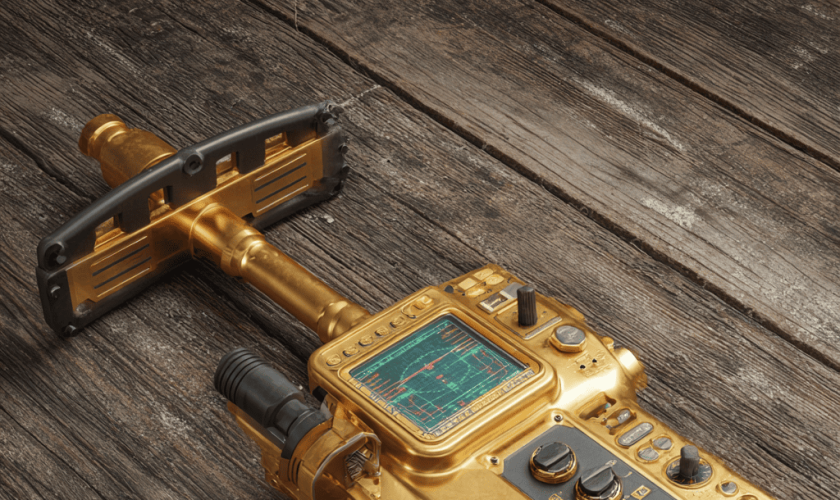
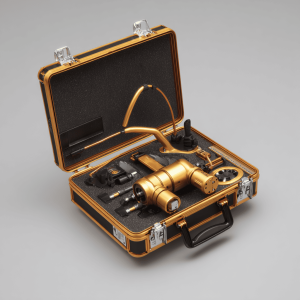 There was a time when visible security measures often felt intrusive or anxiety-inducing. The presence of heavy-handed security could sometimes create an atmosphere of tension rather than safety. Today, professional metal detectors have undergone a remarkable transformation in both design and implementation. Modern walk-through detectors are sleek, fast, and remarkably user-friendly. They integrate seamlessly into the flow of foot traffic, allowing thousands of people to pass through screening points with minimal interruption to their experience.
 Banyak orang melihat riwayat taruhan sebagai deretan angka kering: tanggal, nominal, odds, hasil. Membosankan, bahkan menyakitkan jika penuh dengan kekalahan. Namun, perspektif ini sepenuhnya salah arah. Alat riwayat taruhan adalah