
There is a quiet magic that happens behind the scenes of every exquisite lace bridal gown. It is the magic of skilled hands, patient artistry, and an unwavering commitment to perfection. A lace gown is not simply sewn; it is brought to life through the art of application—a meticulous process where individual motifs are carefully placed, layered, and stitched to create a harmonious, breathtaking whole. For brides who dream of a gown that feels as personal as it is beautiful, the artisans who master this craft are the true magicians. At the heart of this artistry in Melbourne is a dedication to craftsmanship that transforms beautiful fabric into a one-of-a-kind masterpiece. For brides seeking this level of artistry, exploring the possibilities at ditalia.com.au/wedding-dress-couture/lace-wedding-dresses/ reveals how the art of application can turn a beautiful fabric into a personal masterpiece.
The Canvas Of Creation: Preparing The Foundation
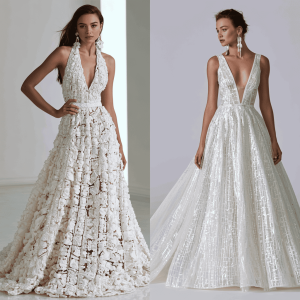 The journey of bringing a lace bridal gown to life begins long before the first flower is placed. It starts with a vision and a foundation. A skilled artisan first ensures the underlying fabric is perfectly smooth and fitted to the bride’s form. Often, this involves creating a toile to perfect the fit of the base gown, which will serve as the canvas for the lace artwork . Whether the base is a sleek crepe, a structured Mikado, or a soft tulle, its preparation is crucial for the final masterpiece to lay flawlessly. This foundation allows the lace motifs, once painstakingly cut and prepared, to rest perfectly on the garment, enhancing the silhouette with effortless sophistication .
The Art Of The Cut: Preparing The Lace
The process then moves to the lace itself. High-quality lace, particularly the European laces celebrated in Melbourne’s bridal ateliers, arrives in strips or panels . The artisan’s first task is to carefully separate the individual components. This is not a simple cutting. It is a process of discernment, where the artisan studies the pattern, selecting the most beautiful flowers and motifs to be used on the gown.
This stage requires patience, precision, and a deep understanding of how the intricate patterns will interact with the gown’s architecture . Each motif is cut out by hand, a task that demands a steady hand and a keen eye, ensuring each element is preserved in its most perfect form .
The Composition: A Puzzle Of Flowers
Perhaps the most magical part of the process is the application. This is where the artisan becomes a true artist. Using the sketches and design plans as a guide, they begin to place the cut lace motifs onto the gown. This is a process of meticulous composition, where each flower, leaf, and swirl is positioned to enhance the bride’s natural shape and the dress’s overall design.
The artisan will experiment with different arrangements, stepping back to assess the overall effect. A large motif might be placed to draw the eye to the waist, while a trail of smaller blossoms might cascade down the back. This is the stage where the gown becomes truly one-of-a-kind, as the artisan’s creative intuition brings the design to life.
The Stitch: Securing The Masterpiece
Once the perfect arrangement is achieved, the motifs are secured. For many couture gowns, this involves a combination of processes. Some elements are carefully hand-stitched, a slow and deliberate technique that allows for incredible control. Hand stitching is especially important for delicate lace, as it prevents the fabric from being damaged and allows for seams to be nearly invisible .
Other elements may be appliquéd using a sewing machine, a process that requires specialized skill to ensure the lace lies flat and the stitches are invisible. A skilled seamstress, working with an appliqué foot, can guide the fabric with extraordinary precision . This careful process ensures each motif is seamlessly integrated into the gown, creating a cohesive work of art .
The Final Flourish: Beading And Embellishment
For many lace gowns, the artistry doesn’t end with the lace itself. The final flourish often involves adding delicate beading or embellishments to the motifs. Artisans may sew tiny pearls, crystals, or bugle beads onto the lace flowers, adding a shimmering dimension to the gown . This is painstaking work, often requiring hours of concentrated effort, but it is this dedication to detail that transforms a beautiful gown into a breathtaking heirloom.
The final result of this meticulous art of application is a gown that transcends the ordinary. It is a garment imbued with the passion, patience, and creativity of its makers . A gown where every flower seems to bloom naturally, every vine tells a story, and the entire piece feels alive with beauty and intention. This is the power of skilled artisans bringing lace to life, ensuring your gown is as unique and irreplaceable as your own love story.


